For anyone new to the fashion industry, the terminology around design and merchandising can feel surprisingly dense. One of the more foundational concepts to understand early on is apparel style, a term that refers to the distinct visual and structural characteristics that define a category of clothing, separate from a specific brand or individual garment.
Apparel style operates at a broader level than a single product. While an individual t-shirt has its own cut, fabric, and details, “style” in this context refers to the larger categories these garments fall into, such as streetwear, minimalist, bohemian, tailored, or athleisure. Each of these categories carries its own conventions around silhouette, fabric choice, color palette, and detailing that designers draw on, intentionally or not, when developing new products.
Understanding these categories matters for several practical reasons. For designers, recognizing which stylistic category a collection is meant to fit within helps maintain visual consistency across a line, even when individual pieces vary considerably in cut or fabric. A collection that mixes too many unrelated style influences without intention can end up feeling disjointed to the customer, even if each individual piece is well executed.
For brands and merchandisers, apparel style categories also play a direct role in how products are positioned and marketed. A garment described and styled within a clearly defined aesthetic tends to resonate more strongly with a specific customer base than one presented without clear stylistic direction. This is part of why brand identity and apparel style are so closely linked. Customers often choose brands based on a consistent stylistic point of view rather than evaluating each product in isolation.
It is worth noting that apparel style is not static. Categories evolve, blend, and sometimes fall out of favor entirely as broader cultural and design trends shift. What counted as “minimalist” a decade ago looks noticeably different from how that same category is interpreted today. This is one of the reasons ongoing design research and trend awareness remain a continuous part of fashion work rather than something learned once and applied indefinitely.
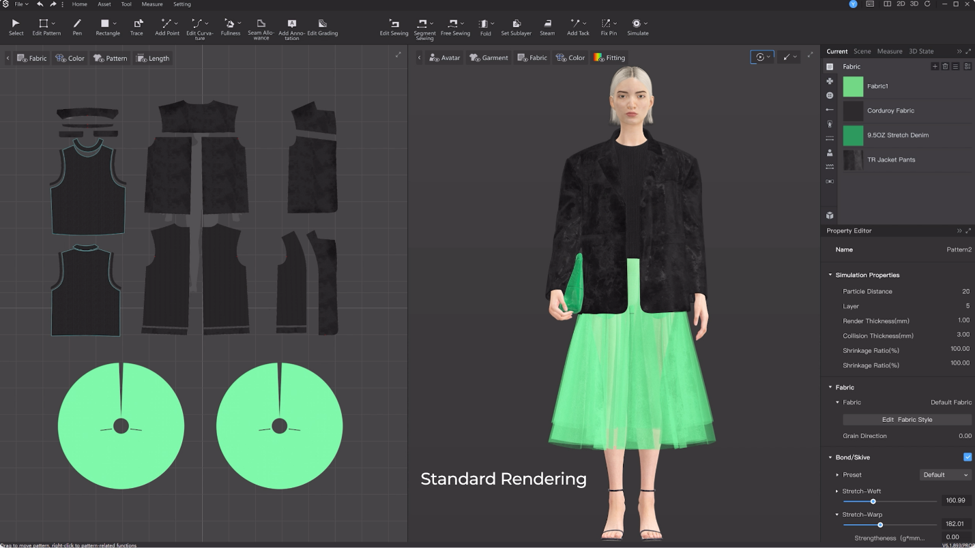
Digital design tools have made it considerably easier to explore and test different stylistic directions before committing to physical samples. Designers working within platforms like Style3D can quickly visualize how a single pattern might be interpreted across different style influences, simply by adjusting fabric, color, and detailing in a simulated environment, rather than producing multiple physical variations to compare side by side.
For anyone entering the fashion industry, building familiarity with these foundational style categories provides a useful framework for understanding design decisions, even before developing a more specialized technical or creative focus.
Regional and cultural context also shapes how apparel style categories are interpreted and applied. A style classification that reads as minimalist in one market might be considered relatively detailed in another, depending on local fashion conventions and consumer expectations. Brands operating internationally often need to account for this variation, adapting how a particular apparel style is communicated and merchandised depending on the specific market, rather than assuming a single stylistic framework will translate identically across different regions and customer bases.
FAQ
Is apparel style the same thing as a fashion trend? Not exactly. A trend tends to be shorter-lived and specific, while apparel style refers to broader, more enduring categories that trends often operate within.
Can a single brand work across multiple apparel styles? Yes, though brands generally maintain a core stylistic identity even when offering sub-lines or collaborations that explore different aesthetic directions.
Why does understanding apparel style matter for new designers? It provides a shared vocabulary and framework for making consistent design decisions, which becomes especially important when working as part of a larger design team.