Introduction: A Lobby, A Deadline, And A Light That Wouldn’t Behave
It happened fast. A project lead walked into a grand lobby, flipped the dimmer, and watched the chandelier flicker like a nervous eye. She called a chandelier supply company. The space looked premium, yes. But the control was off. Energy readings showed waste in the evening cycle, and the power budget kept screaming. The contractor blamed the dimmer. The dimmer blamed the driver. Meanwhile, guests saw the glare. And the mood? Gone—poof. If a single fixture can shift how people feel, how do you choose a partner who gets both the art and the math (and keeps timelines sane)? What swaps, what specs, what service will actually hold up in a real building with dust, heat, and long hours?
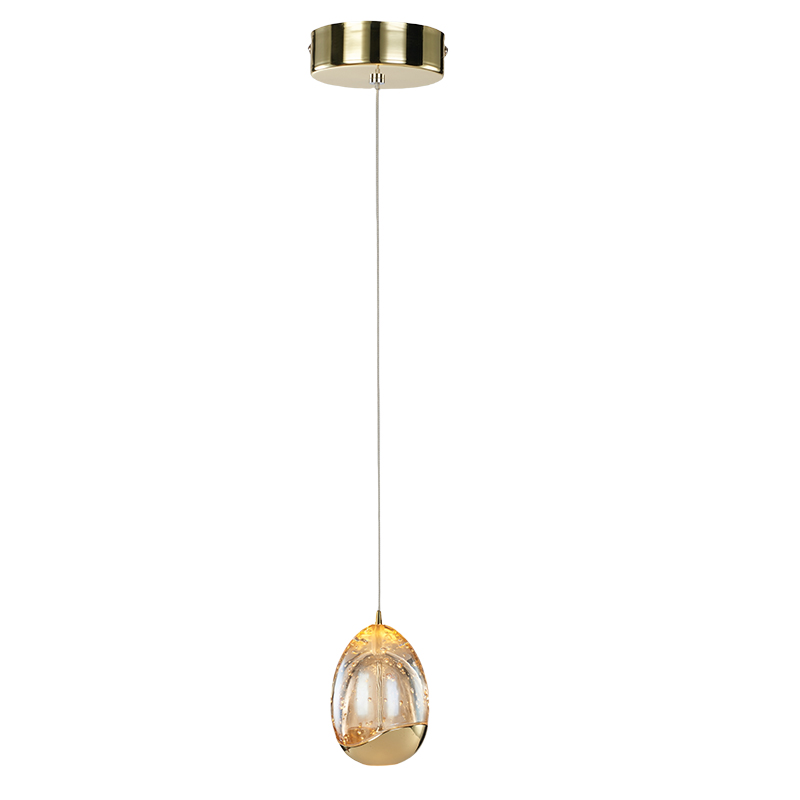
I share notes like a chef shares a mise en place. Short. Clear. A bit French in rhythm. The secrets are not so secret. They hide in small parts: the driver, the heat sink, the finish. Numbers too: lumen output, CRI, watt draw. But the story is people. And the goal is simple: light that behaves. Ready to see what really separates one vendor from the next—beyond glamour? Let’s move to the core questions and compare where it counts.
Part 2: The Hidden Flaws In Traditional Sourcing
Why do good-looking fixtures fail?
Start with the basic kit: metal, glass, and the engine that runs it. Many teams treat chandelier supplies like commodity parts. Swap a driver here, a dimmer there, and hope the light will play nice. It rarely does. Classic tender packs ignore the constant-current driver spec, the dimming curve, and the heat sink size. So, you get color shift at low levels, poor CRI rating near warm dims, and a canopy that traps heat. Then the LEDs cook. Warranty looks long on paper, but the duty cycle tells another story—funny how that works, right?
Look, it’s simpler than you think. The old way bundles pretty frames with random electronics. The result: strobing at 10–30% dim, uneven lumen output across arms, and transformers that hum when line voltage swings. A weak driver without surge protection dies in months. A fixture canopy with no airflow bakes the board. And mismatched controls? They break scenes in hospitality suites. The fix is not magic. It is matching the control protocol to the driver, setting a thermal path, and locking color temp tolerances. Test the 0–10V ramp. Check the DALI-2 chart. Confirm IP rating where dust wins. Then ask for spare-part lead times. If a supplier dodges those, you know the ending.
Part 3: Comparative Insight, Forward-Looking
What’s Next
New builds want calm light, lower watts, fewer calls. The better path uses clear technology principles. Pick modular drivers with documented dimming curves. Prefer constant-current drivers with headroom, not “just enough.” Validate thermal management with an actual test report, not a promise. And pick a canopy that breathes. In stairs or tall foyers, a staged array—like a sculpted pendant as a chandelier for duplex house—should keep color uniform when you drop to 5% for night mode. Compare vendors on three things: photometrics, electronics, and service. The first tells you how eyes feel. The second tells you how parts live. The third keeps projects on time.
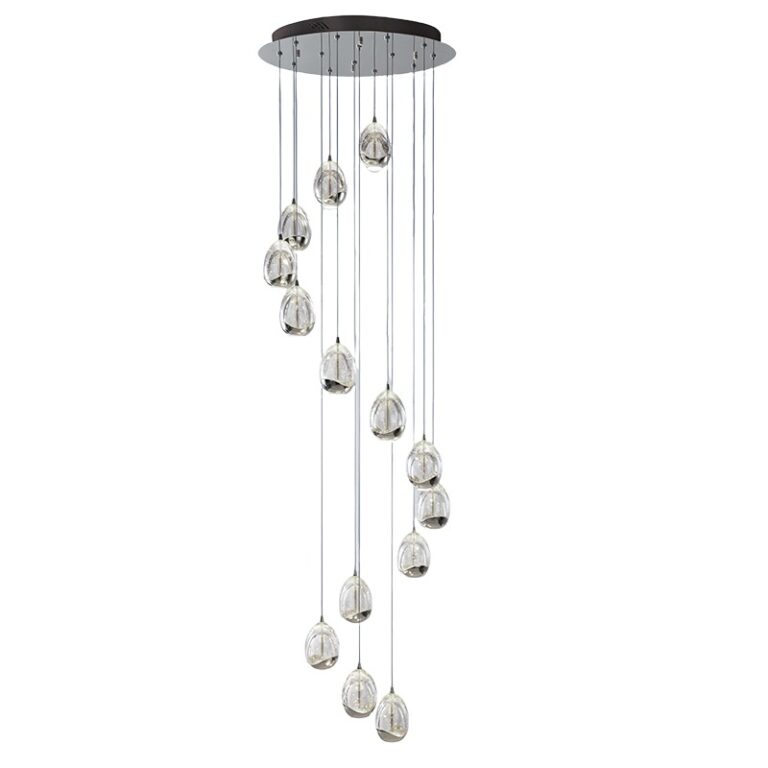
Now the outlook. Smarter supplies ship with driver logs, soft-start profiles, and clear wiring for 0–10V or DALI-2. Some include quick-swap boards. That reduces downtime from hours to minutes—funny how that works, right? In practical terms, you get steadier scenes, quieter ceilings, and cleaner power. Your CRI rating stays high, glare drops with better optics, and the watt draw lands under budget. Semi-formal advice, then, and precise: 1) Light quality metrics first: CRI ≥ 90, stable color at low dim, and honest lumen output. 2) Electrical reliability: driver life in hours, surge tolerance, and warranty that covers drivers, not only frames. 3) Serviceability: modular parts, stated spare-part lead times, and a hotline that answers before night shift. Hold those three, and you compare like for like. You also sleep better. When all that aligns, the lobby feels right, the bill shrinks, and the calls stop. For a grounded reference point in this space, see kinglong.