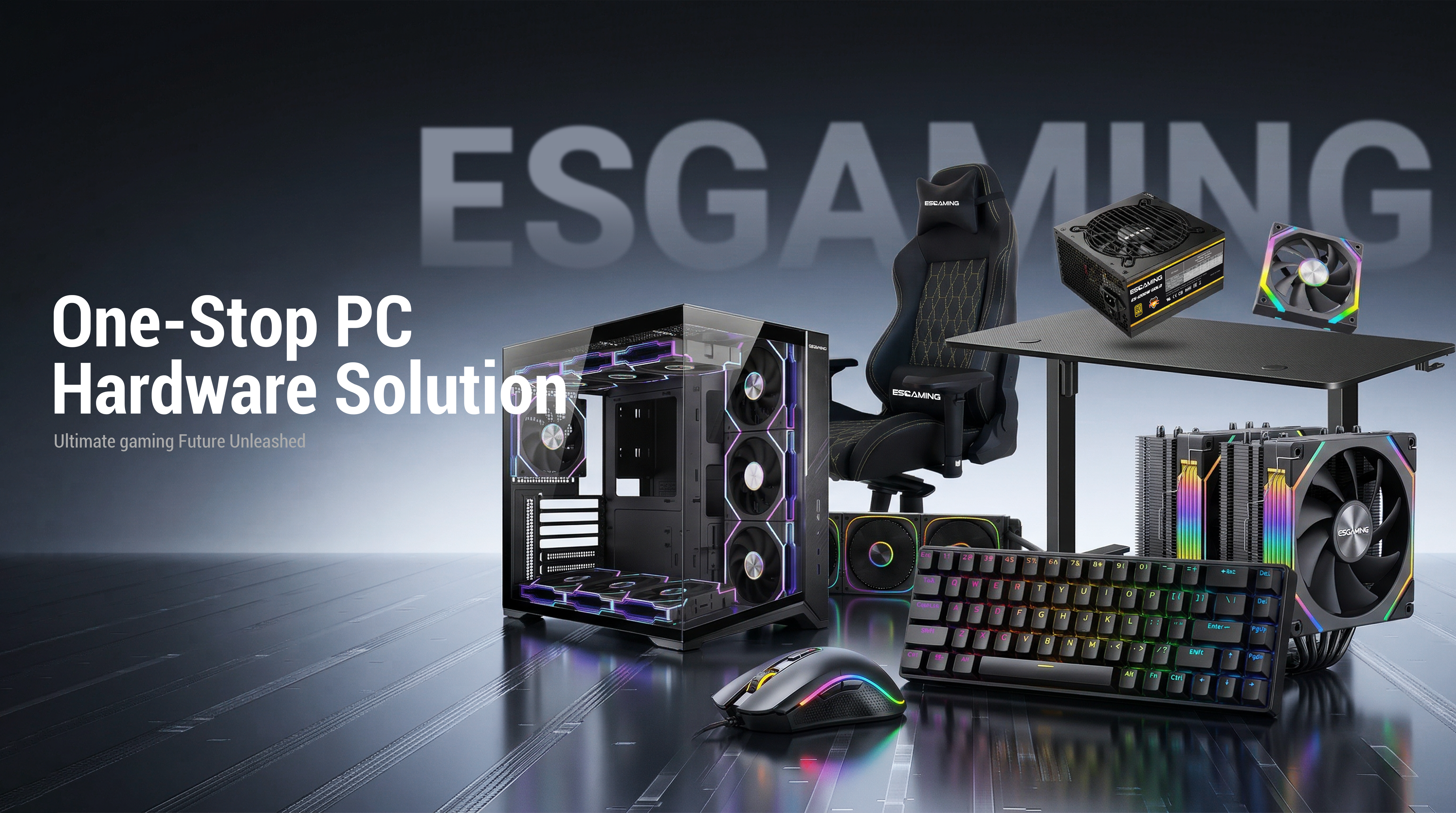
A CPU is the brain of a computer, and it generates heat while working. If this heat is not controlled, performance drops and hardware may get damaged. A CPU air cooler is one of the Pc Power Supply Supplier and most effective ways to keep temperatures low. It uses air, heat pipes, and a fan to remove heat from the processor and maintain stable performance.
What CPU Air Cooler Is
A CPU air cooler is a device designed to keep the processor cool using air flow. It usually consists of a metal heatsink and one or more fans. The heatsink absorbs heat from the CPU, and the fan pushes hot air away from it. This simple design makes it reliable, affordable, and widely used in both desktop Pcs and gaming systems.
Unlike liquid cooling systems, air coolers do not use water or complex pumps. This makes them easier to install and maintain. Most users prefer air coolers because they offer a good balance between performance and cost.
How CPU Air Cooler Works
The working process of a CPU air cooler is based on heat transfer. First, the CPU generates heat while processing tasks. The heat is transferred to the base plate of the cooler. From there, heat pipes move the heat to the aluminum fins of the heatsink.
Once the heat reaches the fins, the fan starts blowing air through them. This airflow removes heat from the metal and releases it into the surrounding environment. Continuous airflow keeps the CPU temperature stable even during heavy tasks like gaming, video editing, or software development.
This simple but effective mechanism helps prevent overheating and ensures smooth system performance.
Benefits Of CPU Air Cooling System
One of the biggest advantages of a CPU air cooling system is reliability. Since it has fewer moving parts compared to liquid cooling, there is less chance of failure. It also does not risk liquid leakage, which can damage computer components.
Another benefit is cost-effectiveness. Air coolers are usually cheaper than liquid cooling systems, making them ideal for budget users. They also require less maintenance because there is no liquid to refill or monitor.
Air coolers are also easy to install. Even beginners can set them up without professional help. Additionally, modern air coolers can handle high-performance CPUs, making them suitable for gaming and professional work.
Types Of CPU Air Coolers Explained
There are mainly two types of CPU air coolers available in the market: stock coolers and aftermarket coolers.
Stock coolers come bundled with CPUs. They are basic but sufficient for normal tasks like browsing, office work, and light usage. However, they may struggle with heavy workloads or gaming.
Aftermarket coolers are purchased separately and offer better performance. They come in different sizes and designs, including single-tower and dual-tower models. Dual-tower coolers provide better heat dissipation and are ideal for high-performance systems.
Some air coolers also include RGB lighting and advanced fan control features, making them both functional and visually appealing.
How To choose Best Cooler
Choosing the right CPU air cooler depends on your computer usage and processor type. If you use your pc for simple tasks, a basic cooler is enough. But for gaming or heavy workloads, you need a high-performance cooler.
Check the TDP (Thermal Design Power) rating of your CPU before buying a cooler. The cooler should support equal or higher TDP than your processor. Size is also important because large coolers may not fit in smaller PC cases.
Noise level is another factor. Some coolers are designed to run quietly, which is ideal for office or home environments. Always choose a cooler that balances performance, size, and noise.
Installation Tips for Better Performance
Proper installation is important for maximum cooling efficiency. Always apply a thin layer of thermal paste between the CPU and the cooler. This helps improve heat transfer.
Make sure the cooler is tightly and evenly mounted on the CPU. Loose installation can reduce cooling performance. Also, ensure proper airflow inside the PC case. Fans should be arranged to bring cool air in and push hot air out.
Keeping cables organized inside the case also helps improve airflow and cooling efficiency.
Maintenance Tips for Longer Lifespan
CPU air coolers require very little maintenance, but regular cleaning improves performance. Dust can accumulate on the heatsink and fans, reducing airflow. Clean the cooler every few months using compressed air or a soft brush.
Check fan performance regularly. If you notice unusual noise or reduced speed, it may be time to replace the fan. Also, reapplying thermal paste every 1–2 years helps maintain efficient heat transfer.
Proper maintenance ensures your CPU stays cool and extends the life of your computer system.
Final Thoughts on CPU Cooling
A CPU air cooler is an essential component for any computer system. It keeps the processor temperature under control, ensuring stable performance and long-term reliability. With affordable pricing, easy installation, and strong cooling capability, air coolers remain a popular choice for users worldwide.
Whether you are a gamer, student, or professional, choosing the right CPU air cooler can significantly improve your computer experience. Proper selection, installation, and maintenance will help you get the best performance from your system for years to come.