System engineers responsible for integrating electric and hydrogen mobility face a fragmented landscape of charging standards, thermal management protocols, and software interfaces. Direct observation at a leading smart mobility expo reveals that hands-on exposure to component-level solutions is irreplaceable for design validation. A co-located renewable energy exhibition further enriches this learning, linking vehicle systems with grid and storage infrastructure. For engineers, the key takeaway is clear: specification sheets cannot substitute for physical interaction with real hardware.
Charging and Battery Swapping Hardware Validation
Thermal behavior of connectors, cycle life of swapping mechanisms, and electromagnetic compatibility of power electronics are best evaluated in person. At any smart mobility expo, system engineers can test mating cycles of battery swap stations, measure contact resistance, and inspect cooling channel designs. A renewable energy exhibition adjacent to the expo often displays the same chargers paired with stationary storage, allowing engineers to observe voltage ripple and grid interaction. Such direct validation reduces design iterations and prevents field integration failures.
Hydrogen Fuel Cell Integration Challenges
System engineers working on heavy-duty platforms must balance stack weight, radiator sizing, and hydrogen storage pressure. A dedicated smart mobility expo showcases compact fuel cell modules with integrated balance-of-plant components. Technical discussions with suppliers at the expo—often overlapping with attendees from a renewable energy exhibition—reveal critical data on cold-start performance and membrane durability. These insights help engineers specify appropriate air filters, humidifiers, and thermal management subsystems for real-world duty cycles.
Software and Tool Chain Interoperability
Controller area network (CAN) databases, diagnostic protocols, and over-the-air update frameworks vary across OEMs. The smart mobility expo provides a neutral ground where system engineers can compare tool chains from multiple vendors. Demonstrations of vehicle-to-grid simulation software, often shown alongside hardware at the co-located renewable energy exhibition, allow engineers to validate communication stacks before committing to licensing agreements.
Engineering Action Plan for Mobility Systems
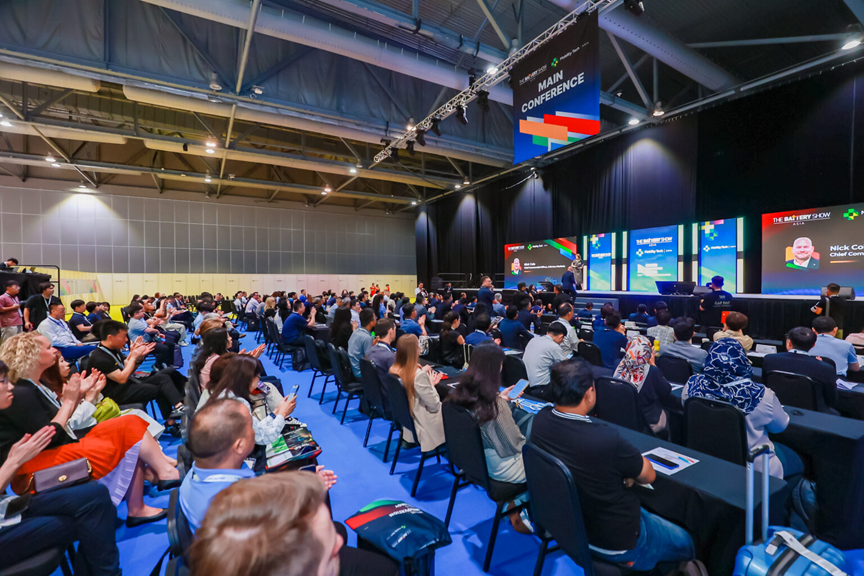
For system engineers seeking to de-risk their next-generation designs, attending a combined smart mobility expo and renewable energy exhibition is a strategic imperative. The Battery Show Asia delivers exactly this synergy, co-located with Mobility Tech Asia and Energy Storage Asia. Following its tremendous 2026 success, the 2027 edition returns to AsiaWorld-Expo, Hong Kong, from July 14–16, featuring charging infrastructure, EV/HV components, hydrogen technologies, software tool chains, and OEM/ODM solutions. Engineers will leave with validated design inputs, supplier contacts, and interoperability test results—accelerating sustainable transport from concept to road.