Why Old-School Rooms Keep Failing Hybrid Meetings
A hybrid room is a network of people, devices, and policies working in sync. An onsite and remote meeting system tries to fuse in-room audio, video, and workflow with remote streams. Howzit, here’s the thing: the classic room was built for one voice, one screen, one table. Hybrid needs many voices, many streams, and low friction. When those collide, you get echo, lag, and dropped focus. Think of it like this: the DSP handles sound, PoE switches power gear, and latency creeps in at every hop. If no one is minding the signal path, both sides feel second-class—funny how that works, right?
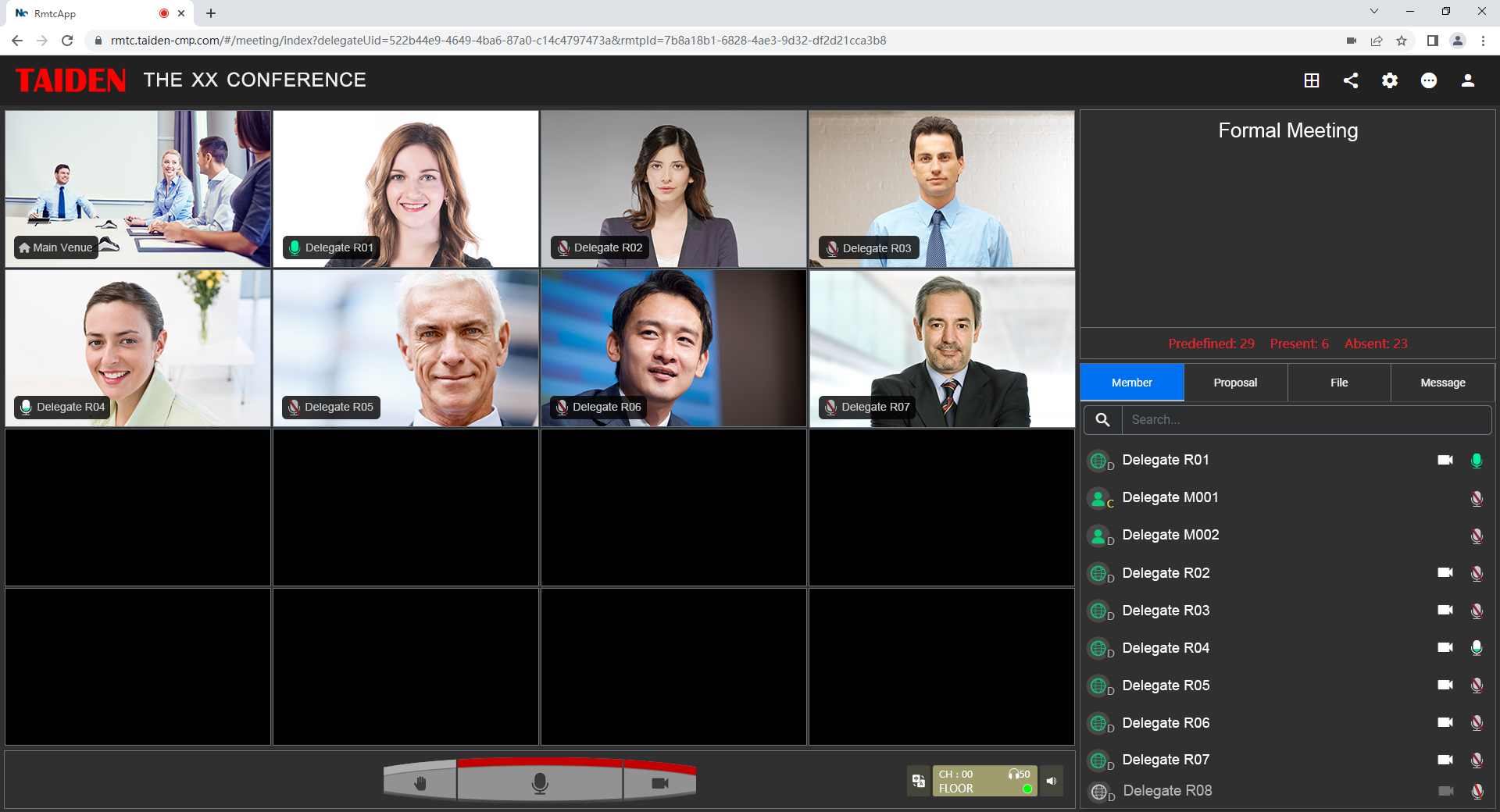
We covered the basics before; now we dig into the flaws. Legacy rooms spread mics wide but miss pickup consistency; modern beamforming mics want clear sightlines and clean gain staging. Old codecs expect fixed layouts; hybrid asks for dynamic control and quick scene swaps. Policies are manual, so handovers break when a laptop, a room PC, and a phone all fight for the floor. Ja, we’ve all been there. Look, it’s simpler than you think: define the signal path, set meeting roles, and police the network path. If not, small gaps stack up—device drivers, ill-tuned EQ, weak QoS—and the room feels slow, even when the bandwidth is fine. That’s the hidden tax users keep paying.
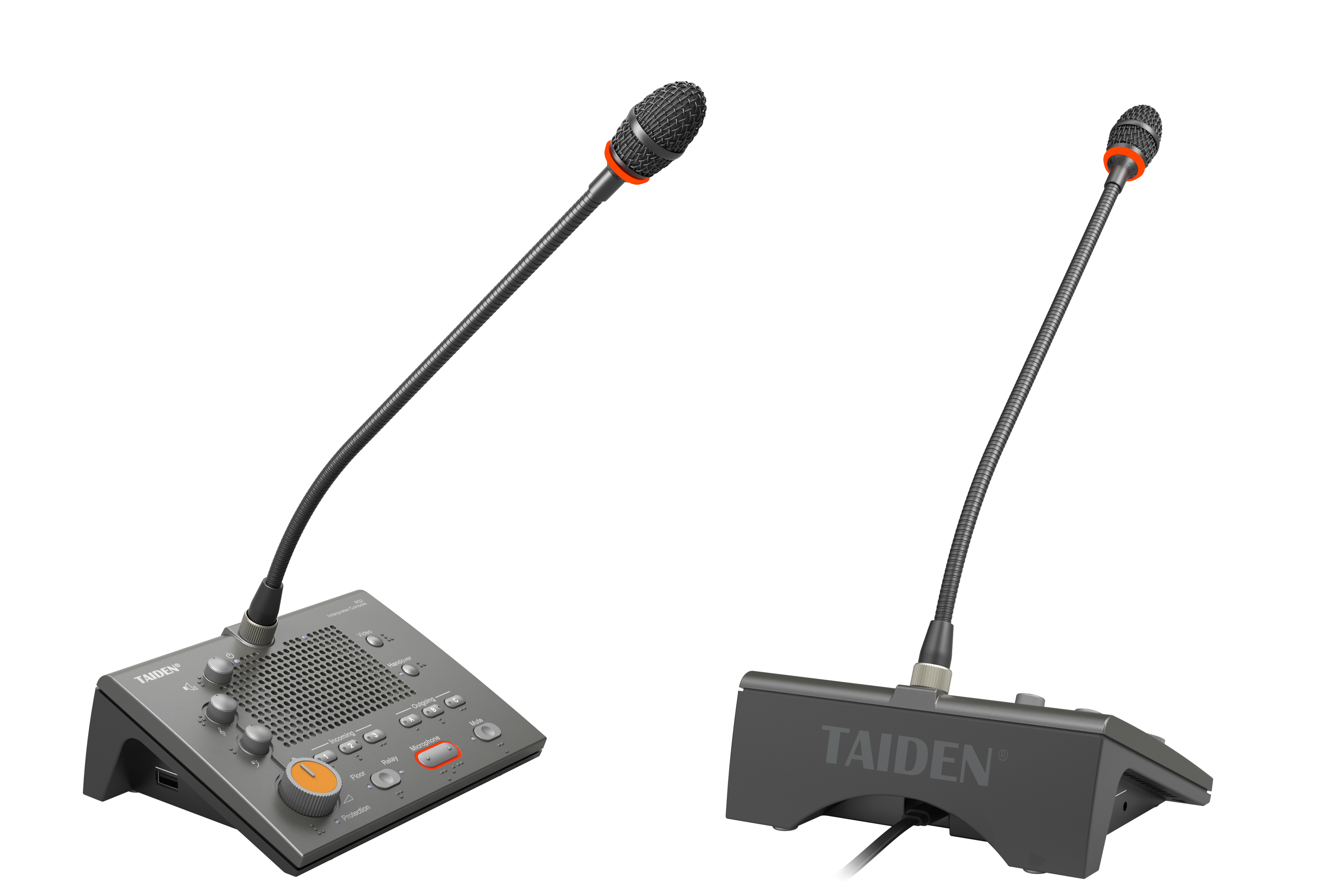
Where do legacy rooms fall short?
From Patchwork to Principles: The Next Wave of Hybrid Control
Forward-looking rooms stop patching and start orchestrating. The idea is simple: treat audio, video, and control like services with rules. A smart conference controller becomes the traffic cop, not just a touch panel. It enforces roles, routes media, and sets latency budgets per flow. Under the hood, edge computing nodes handle local tasks—adaptive echo cancel, noise suppression, even per-seat gain—so the cloud stays light. QoS marks packets end to end, and firmware health checks auto-recover devices without drama. Compared to the old “mix everything into one feed,” this model keeps context intact: presenter, audience, and shared content each get a lane (and rules to match).
What changes in practice? Scenes switch by intent, not by guesswork. If a board member joins from a noisy taxi, the system bumps their priority but tightens noise gates. If the table fills up, beamforming zones shift automatically, not after a frantic knob-twist. Policy beats panic. And because the controller sees the whole topology, it can prove where time goes—switch, codec, cloud—so you measure, not assume. That was missing before. Advisory time: use three metrics when you choose a platform. One, end-to-end latency under human perception thresholds, even with recording on. Two, stable QoS under load, not just in a lab demo. Three, admin clarity: one pane to set roles, routes, and recovery. Do that, and your hybrid room stops feeling fragile and starts feeling, well, sharp. Find tools that live by these principles, including brands like TAIDEN.