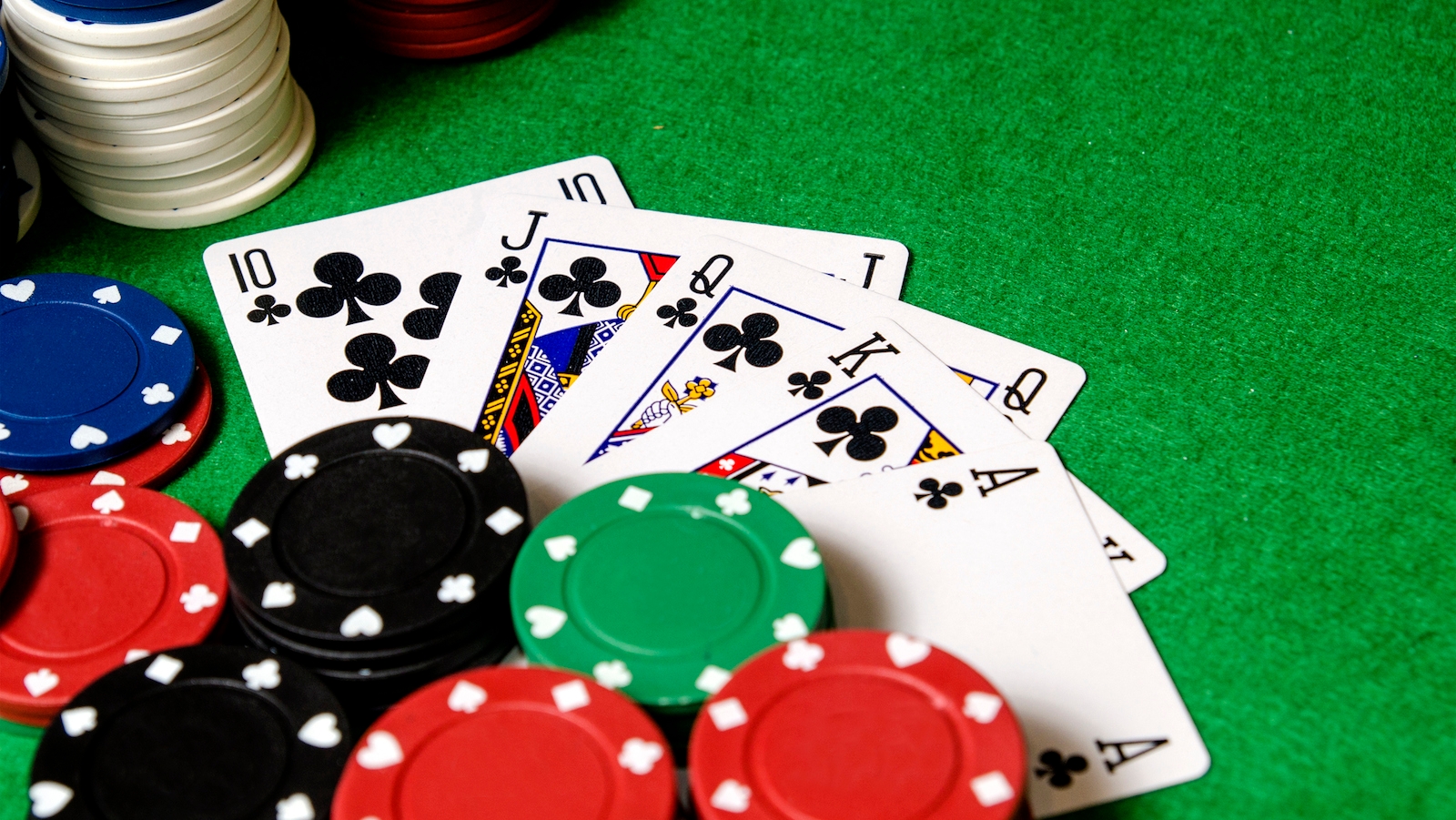
Introduction To Gambling In Everyday Life
Gambling is a common activity found in many cultures and societies. It usually involves placing money or valuables on uncertain outcomes such as games, siap108 predictions, or random number events. Some people view gambling as a form of entertainment, while others see it as a way to test luck. However, gambling should always be approached with care because it carries financial, emotional, and social risks. Learning about gambling helps people make smarter and safer choices.
How Gambling Has Changed Over Time
In the past, gambling mostly happened in physical locations such as casinos, betting shops, or social gatherings. Today, technology has made gambling available through websites and mobile applications. This change has made gambling faster and more accessible. While convenience can be attractive, it also increases the risk of overuse. Easy access means people must be more aware of their habits and boundaries.
Why Gambling Feels Exciting To many People
One reason gambling feels exciting is uncertainty. The possibility of winning creates anticipation and emotional energy. Bright colors, sound effects, and reward animations can increase this feeling. The brain responds to these signals by releasing chemicals related to pleasure. This reaction can make gambling feel fun, but it can also encourage repeated behavior. Understanding this effect helps people stay in control.
Common Types of Gambling Activities
There are many forms of gambling. These include card games, slot-style games, sports predictions, lottery tickets, and online betting platforms. Each type has different rules and odds. Some games rely mostly on chance, while others involve limited skill or strategy. No matter the type, the outcome is never guaranteed. Knowing this helps people avoid unrealistic expectations.
Financial Risks And Money Management
One of the biggest dangers of gambling is financial loss. Small bets may seem harmless, but repeated spending can add up quickly. Some people fall into the habit of chasing losses, hoping to recover money by gambling more. This often leads to even bigger losses. Setting a clear budget and never spending more than you can afford to lose is essential. Treating gambling money as entertainment expense, not investment, is a safer mindset.
Emotional Effects Of Gambling Behavior
Gambling can affect emotions in many ways. Winning can bring excitement and confidence, while losing may cause frustration or sadness. Over time, emotional ups and downs can become stressful. Some people may feel guilt or shame about their habits. Managing emotions and staying calm during both wins and losses is important for mental well-being.
Social Impact on Family And Friends
Gambling habits can influence relationships. Spending too much time or money on gambling may lead to conflict with family members or friends. Trust issues can arise if someone hides their behavior. Healthy communication and honesty help prevent misunderstandings. Strong relationships also provide emotional support and encourage balanced lifestyles.
Recognizing Warning signs Early
It is important to notice early signs of unhealthy gambling behavior. These signs may include thinking about gambling constantly, feeling restless when not playing, borrowing money to gamble, or ignoring responsibilities. When these patterns appear, it is time to pause and reflect. Early awareness can prevent long-term problems.
Building Responsible Gambling Habits
Responsible gambling starts with clear rules. Decide how much time and money you are willing to spend before you begin. Avoid gambling when feeling angry, sad, or stressed. Take regular breaks and remember that losing is part of the experience. Keeping gambling as a small part of life instead of a main activity helps maintain balance.
Importance Of Education And Awareness
Education plays a big role in preventing gambling-related harm. Learning about probability and odds helps people understand that winning is not guaranteed. Schools, families, and communities can help by discussing gambling openly and honestly. Knowledge empowers individuals to make better decisions.
Healthy Alternatives For Entertainment
There are many enjoyable activities that do not involve financial risk. Sports, music, art, reading, gaming without real money, and outdoor adventures provide fun and excitement. These activities also help build skills and confidence. Replacing gambling with positive hobbies can improve both mental and physical health.
Digital Safety And Online Gambling Awareness
Online gambling platforms use features such as bonuses, notifications, and fast gameplay to keep users engaged. While these tools increase excitement, they can also encourage longer play sessions. Using screen time limits and self-control tools can reduce risks. Being aware of digital habits is especially important in modern life.
Legal And Ethical Responsibility
Different regions have different laws about gambling. Age limits exist to protect young people and reduce harm. Following these rules is important for personal safety and social responsibility. Ethical choices also include avoiding unlicensed platforms that may not protect user data or provide fair systems.
Creating A Balanced Lifestyle For Long-Term Wellbeing
A balanced lifestyle includes time for education, social interaction, exercise, and rest. When daily life is fulfilling, people are less likely to rely on gambling for excitement. Setting goals and maintaining routines can improve focus and emotional stability.
Final Thoughts on Making Smart Choices
Gambling can be entertaining, but it should never control a person’s life. Understanding the risks, recognizing warning signs, and building responsible habits are key to staying safe. With the right knowledge and mindset, people can protect their finances, relationships, and mental health. Making informed decisions today helps create a healthier and more secure future.