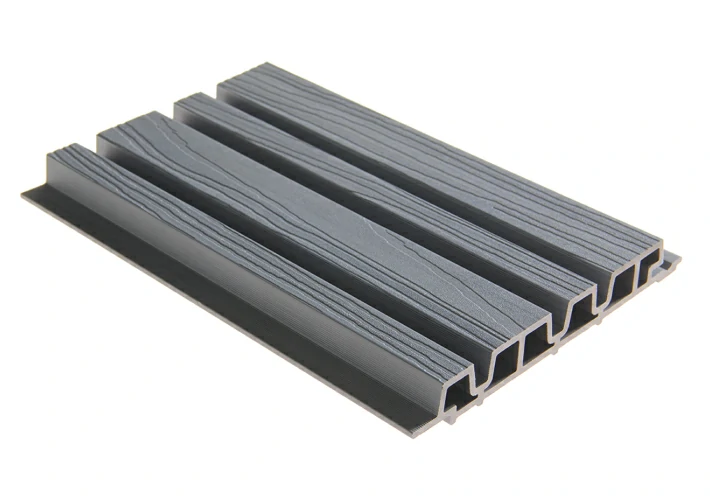
Introduction
Wall-cladding is actually about the most trendy anatomist systems for cutting-edge work. Can never a fabulous readily available place, job site, typical hotel, or possibly commercially aware place, wall-cladding changes both visual appearance and additionally flexibility from the construct. composite cladding siding The software antics in the form of sterile tier just for wall structure at the same time equally strengthening your looks from the putting together. Along with the enhancing concentration on eye-catching inside and additionally long-lasting appearance cover, wall-cladding becomes key down the work enterprise.
The technique of wall-cladding isn’t really cutting edge, still technology advances comes with placed complex equipment and additionally extremely creative creations making it better and additionally effective than before. Households in these days intend property which usually as well as check fabulous as well as want a lot less repairs and maintenance and provides more suitable reluctance to protect against climate conditions. Wall-cladding satisfies every single one of standards comfortably.
What is Wall-Cladding
Wall-cladding refers to the process of covering surfaces by having an extra product layer. This layer is installed on both interior and outer surfaces to supply safety, padding, and decoration. Various materials are used for cladding, including timber, stone, material, vinyl, porcelain, composite cells, and fibre cement.
The key purpose of wall-cladding is to make a shield that shields the design from environmental damage. Rain, heat, dirt, and humidity can affect surfaces with time, ultimately causing cracks and fading. Cladding helps in avoiding these issues while sustaining the strength of the building.
Decorative Appeal
Among the biggest features of wall-cladding is their decorative value. It fully changes the looks of a house and produces a contemporary, elegant look. Various finishes, shades, and designs allow manufacturers to produce distinctive architectural styles.
Inside wall-cladding is frequently utilized in residing areas, hotel lobbies, eateries, and company spaces. Outdoor cladding is common in industrial structures, villas, and contemporary domiciles where aesthetics enjoy an essential role.
Popular Materials
Various cladding materials offer various benefits. The choice depends on the project budget, design preference, and environmental conditions.
Stone Cladding
Rock cladding gives a natural and luxurious appearance. It is sturdy, weather-resistant, and suitable for outer walls. Several homeowners prefer stone completes because they develop an eternal architectural design.
Wood Cladding
Timber cladding brings warmth and elegance to decorations and exteriors. It is frequently utilized in contemporary domiciles and resorts. Wooden cells develop a natural environment and enhance the visual charm of surfaces significantly.
Metal Panels
Material cladding is generally utilized in industrial and industrial buildings. Metal and steel cells are powerful, light, and resilient to tough temperature conditions. These cells provide a sleek and modern look.
Vinyl Cladding
Vinyl is a cost-effective alternative that will require little maintenance. It comes in multiple shades and styles, making it ideal for residential properties. Vinyl cladding is light and an easy task to install.
Fiber Cement
Fibre concrete cladding includes toughness with contemporary aesthetics. It is resilient to fire, humidity, and pests. This product is becoming significantly common because it provides long-lasting efficiency with low preservation requirements.
Benefits of Wall-Cladding
Wall-cladding presents several useful and visual benefits for property owners and builders.
Weather Protection
Outdoor surfaces are continually subjected to sunlight, rain, humidity, and dust. Cladding produces an additional defensive barrier that decreases injury caused by these environmental elements. This advances the life of the developing structure.
Improved Insulation
Wall-cladding improves thermal padding, helping keep interior temperatures more effectively. This decreases power usage and decreases electricity costs. In cooler climates, cladding assists maintain warmth, while in hotter parts it keeps decorations cooler.
Low Maintenance
Several cladding materials are easy to wash and maintain. Unlike decorated surfaces that could involve typical repainting, cladding areas remain desirable for a long time with little upkeep.
Enhanced Property Value
Buildings with contemporary wall-cladding frequently have larger industry value. Attractive outer styles increase restrain charm and develop a powerful first impact for visitors and buyers.
Sound Reduction
Specific cladding methods also improve noise insulation. This function is particularly useful in industrial areas, apartments, and urban surroundings where noise reduction is important.
Interior Applications
Inside wall-cladding has turned into a significant design tendency in new years. Developers use cladding cells to produce function surfaces and elegant decorative spaces.
Living areas frequently include bumpy stone or wooden cells behind tv units. Offices use smooth wall-cladding to produce qualified interiors. Restaurants and hotels install decorative cladding to produce luxurious surroundings that entice customers.
Wall-cladding can also be utilized in rooms, hallways, and reception places to include level and character to interior spaces. With contemporary manufacturing methods, also affordable materials may create premium visual effects.
Exterior Applications
Outdoor wall-cladding is frequently applied to enhance both safety and architectural style. Contemporary domiciles frequently function a variety of stone, timber, and material completes for a modern appearance.
Industrial structures use metal composite cells since they are light and durable. Searching malls, company towers, and hotels take advantage of cladding methods offering temperature opposition and a slick visual identity.
Outdoor cladding also assists lower preservation costs because the excess defensive layer minimizes wall injury around time.
Installation Process
Appropriate installment is required for long-lasting wall-cladding performance. Skilled installers carefully make the wall surface before using the cladding material.
The installment method typically includes testing the wall area, producing a help framework, repairing padding levels if essential, and connecting the cladding cells securely. Competent installment ensures correct positioning, ventilation, and humidity control.
Applying top quality materials and experienced specialists is very important because poor installment can affect toughness and appearance.
Modern Design Trends
Contemporary architecture remains to introduce innovative wall-cladding trends. Smart styles with clean lines and neutral shades are still really popular. Flat completes, bumpy areas, and mixed-material mixtures will also be generally used.
Sustainable wall-cladding materials are gaining interest as eco-friendly structure becomes more important. Recycled materials and energy-efficient methods are now part of many contemporary developing projects.
Digital manufacturing technology in addition has extended design possibilities. Tailored designs, 3D finishes, and distinctive completes allow architects to produce very customized styles for clients.
Choosing the Right Option
Choosing the right wall-cladding product depends on several factors. Environment conditions, preservation needs, budget, and architectural style must all be considered carefully.
For moist surroundings, moisture-resistant materials are ideal. In contemporary industrial areas, material or composite cells might be more suitable. Homeowners seeking a hot and normal appearance frequently prefer timber or stone finishes.
Visiting with experienced architects and companies can help property owners pick the very best cladding alternative for his or her specific needs.
Conclusion
Wall-cladding is an excellent investment for both residential and industrial properties. It improves toughness, increases visual charm, and gives long-term safety against environmental damage. With a wide selection of materials, finishes, and contemporary styles accessible, wall-cladding has become an essential element of modern architecture.
Whether used for decorations or fronts, wall-cladding produces elegant areas that combine beauty with functionality. As structure traits continue steadily to evolve, innovative cladding methods can remain a key function in contemporary developing design for several years to come.