Introduction: A Quick Grab, A Bigger Story
A meeting runs late, you sprint into a store, and a compact lands in your basket like fate. Behind that easy grab are make up packaging manufacturers. If you’re weighing options for makeup packaging wholesale, the choice feels wide—and yet the real differences hide in the details (yes, even the cap torque). In retail tests, most shoppers decide in seconds, guided by feel, balance, and clarity. But what drives that feel? And why do some brands nail consistency while others battle scuffs, leaks, or shade drift?
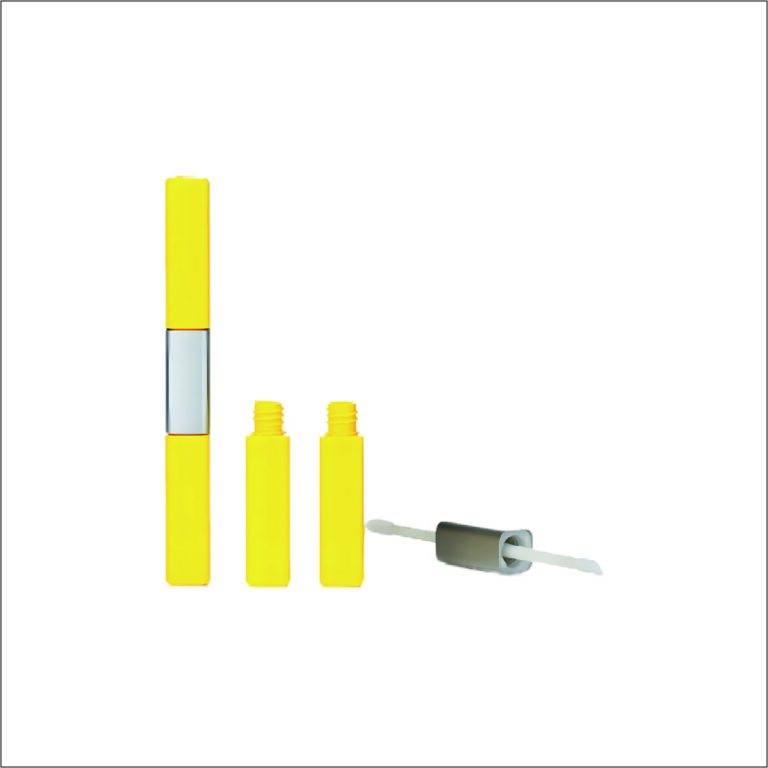
Here’s the twist—small decisions in molds, coatings, and seals echo across cost and brand trust. The materials talk back, the line speed shapes finish, and the smallest tolerance can ruin a launch—funny how that works, right? Let’s pull the lid, peek past the glossy shell, and ask the sharper question that matters to growth. Ready for the next layer? Onward.

Wholesale, Unpacked: The Hidden Friction No One Prices In
Where do traditional models break?
Most teams approach wholesale with a simple plan: pick a catalog, match a mold, push volume. Look, it’s simpler than you think—until it isn’t. The first drag comes from MOQ rules that force you into odd inventory and cash lock. Then the real grind starts: color control across batches, cap-to-bottle fit, and seal integrity. One line uses older injection molding; another swaps resin mid-run. Your lab sees variance; your supplier calls it “within tolerance.” Torque testers say no. Returns whisper louder.
There’s more. Labels wander when adhesive meets a colder fill hall. PCR resin behaves a bit different, and that eco badge you wanted now changes wall rigidity. Freight shifts add a week; supply chain latency adds three. And you discover your compact hinge needs an extra pin because the alloy blend flexes under heat. None of this shows in a glossy quote. Traditional wholesale assumes smooth handoffs; reality splices together ten micro-choices that ripple across QC sampling, rework, and launch calendars. The flaw isn’t one big miss—it’s the stack of tiny misalignments that steal margin and time.
Future-Facing: From Guesswork to Smarter Lines
What’s Next
Tomorrow’s gains come from principles, not luck. The most resilient setups pair modular tooling with parametric specs, so diameter shifts or wall changes don’t reset the clock. Digital twins simulate fill, drop, and cap torque before the first cavity cools. Inline vision flags flash and short shots in real time; scrap shrinks. And color stays honest when spectro data lives with the part, not in someone’s inbox. When you compare makeup packaging companies, ask how they stitch these ideas into daily work—not just into glossy decks. Semi-formal or not, the math is plain: fewer surprises, tighter launches.
Side by side, the difference shows. One supplier runs vacuum metallization after a long haul; micro-scratches sneak in. Another runs closer to fill, with better racks and gentler handling—gloss holds, rejects drop. One factory treats PCR content as a swap; the other tunes gates and cooling for the resin’s flow, so hinges stop cracking. Same shape on paper, different outcome in hand. The path forward isn’t louder promises—it’s clearer systems, shared data, and fewer hidden dependencies (the quiet kind that blow up calendars).
Advisory close—choose with a checklist, not a hunch: 1) Reliability: insist on lead-time predictability with P95 delivery windows and published change-control steps; 2) Quality: track defect rate in ppm against AQL targets, plus real torque and leak test logs; 3) Sustainability-in-performance: verify PCR resin percentage alongside mechanical results, not just the claim. Keep the energy brave, keep the language simple, and keep the line honest. That’s how packaging stops being a gamble and starts being your steady edge with NAVI Packaging.