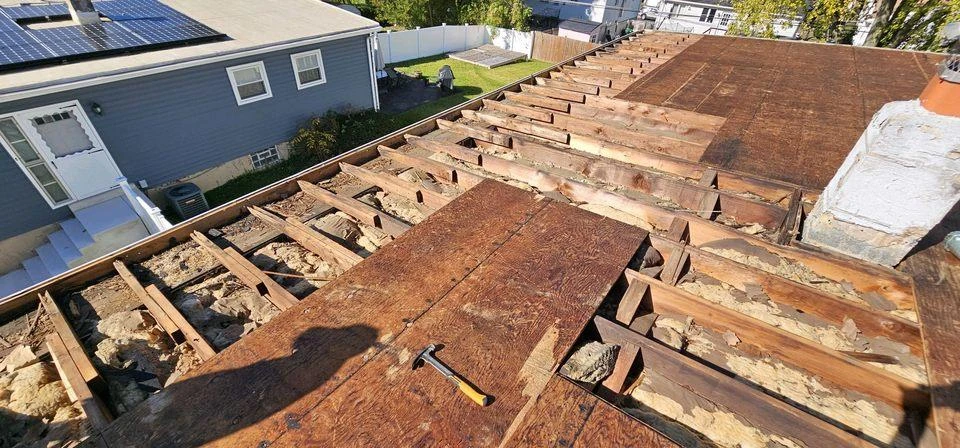
Flat roofs have become a popular choice for both residential and commercial properties across the United States. Known for their modern appearance and cost-effective installation, flat roofs provide an efficient solution for a variety of building designs. However, like any roofing system, flat roofs require careful planning, professional installation, flat roof installation replacement and timely replacement to ensure long-term performance.
Understanding Flat Roofs
A flat roof is not entirely flat; it has a slight slope to allow for water drainage. This type of roof typically uses materials such as modified bitumen, single-ply membranes (like TPO or EPDM), or built-up roofing (BUR). The choice of material depends on climate conditions, building design, and budget. Contractors across the United States recommend selecting materials based on local weather patterns, as some options handle heavy rain or snow better than others.
Benefits of Flat Roof Installation
Flat roofs offer several advantages that make them an attractive choice:
- Cost-Effective Construction: Flat roofs generally require fewer materials and less labor compared to pitched roofs, making installation more affordable.
- Accessible Maintenance: Their low slope makes it easier for contractors to inspect, repair, and clean the roof without specialized equipment.
- Versatile Design Options: Flat roofs provide additional usable space for rooftop gardens, HVAC units, or solar panel installation.
- Modern Aesthetic: Many contemporary home designs incorporate flat roofs for a sleek, minimalistic appearance.
Contractors emphasize that proper installation is crucial to achieve these benefits. Even minor mistakes during installation can lead to leaks, water pooling, and premature material degradation.
Steps in Flat Roof Installation
Professional flat roof installation follows a systematic process:
- Assessment and Preparation: Contractors begin by inspecting the existing structure, identifying any damage, and ensuring the roof deck is level and structurally sound.
- Material Selection: Depending on the building and climate, the contractor will recommend suitable roofing materials. In colder regions, EPDM is often preferred for its durability, while TPO is popular in warmer climates for its heat-reflective properties.
- Installation of Layers: For built-up roofing, layers of tar and felt are applied to create a waterproof barrier. Single-ply membranes are rolled out and heat-welded or mechanically fastened to the roof deck.
- Sealing and Flashing: Proper sealing around edges, vents, and drains is essential to prevent water infiltration.
- Inspection and Final Touches: A thorough inspection ensures the installation is leak-free and meets building codes.
Contractors in the U.S. often advise homeowners to schedule periodic inspections during and after installation to maintain roof integrity.
Signs You Need Flat Roof Replacement
Even the best-installed flat roofs have a limited lifespan. Regular maintenance helps extend this life, but eventually, replacement becomes necessary. Some common signs that indicate a flat roof replacement is needed include:
- Frequent Leaks: Repeated leaks suggest that the roof membrane is compromised.
- Pooling Water: Flat roofs must have proper drainage. Persistent standing water can lead to structural damage.
- Material Deterioration: Cracks, blistering, or curling of roofing material indicates aging and vulnerability to leaks.
- Energy Inefficiency: Older roofs may allow heat loss or gain, leading to higher energy bills.
Contractors in different U.S. regions emphasize addressing these issues promptly to avoid costly structural repairs. The average lifespan of a flat roof varies: EPDM can last 20-30 years, TPO around 15-20 years, and built-up roofs typically 15-25 years, depending on maintenance.
Flat Roof Replacement Process
Replacing a flat roof is similar to installation but includes removing the old material:
- Old Roof Removal: Contractors carefully strip the existing roof layers to inspect the underlying structure.
- Structural Repairs: Any damaged areas of the roof deck are repaired or replaced.
- New Material Installation: The selected roofing system is installed following manufacturer guidelines and industry best practices.
- Sealing and Drainage Check: Proper sealing around drains, parapets, and protrusions ensures long-term waterproofing.
- Final Inspection: A certified contractor performs a detailed inspection to verify quality and compliance with building codes.
Flat roof replacement is often an opportunity to upgrade insulation, enhance energy efficiency, and improve the overall durability of the building.
Choosing a Contractor
Selecting a reputable roofing contractor is essential for both installation and replacement. Homeowners in the United States should consider the following factors:
- Licensing and Insurance: Ensure the contractor is licensed in your state and carries liability insurance.
- Experience with Flat Roofs: Specialized knowledge of flat roofing systems is crucial for quality workmanship.
- References and Reviews: Check past project reviews and ask for references to evaluate reliability.
- Warranty Offers: A contractor who provides manufacturer-backed and labor warranties offers additional peace of mind.
Conclusion
Flat roof installation and replacement are critical aspects of building maintenance that require skilled contractors and high-quality materials. With proper installation, regular inspections, and timely replacement, flat roofs can provide durability, energy efficiency, and a modern aesthetic for decades. Homeowners in the United States should prioritize professional guidance, adhere to local building codes, and choose materials suited to their climate to maximize the benefits of a flat roofing system. Investing in a flat roof today ensures protection, functionality, and value for the property for years to come.